Not Design.
Not Marketing.
Data-Driven Science That Converts.
Not Design. Not Marketing.
Data-Driven Science That Converts.
The Answer to Every Page That Fails to Sell. Proven frameworks, psychological techniques, and AI-driven insights take the guesswork out of performance.
The Process That Leaves Ordinary Web Design in the Dust
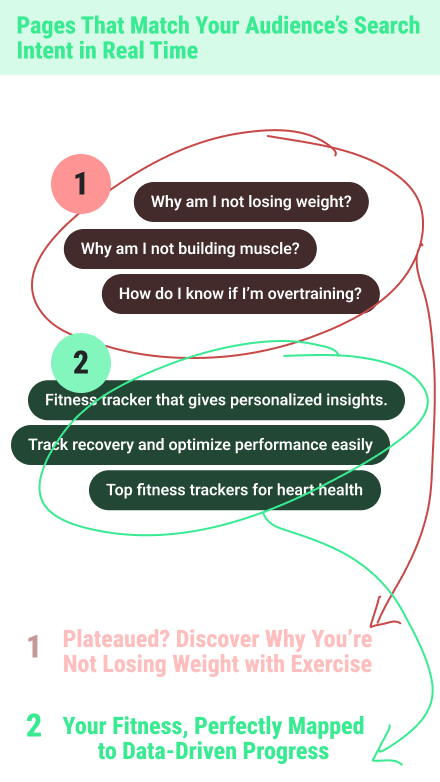
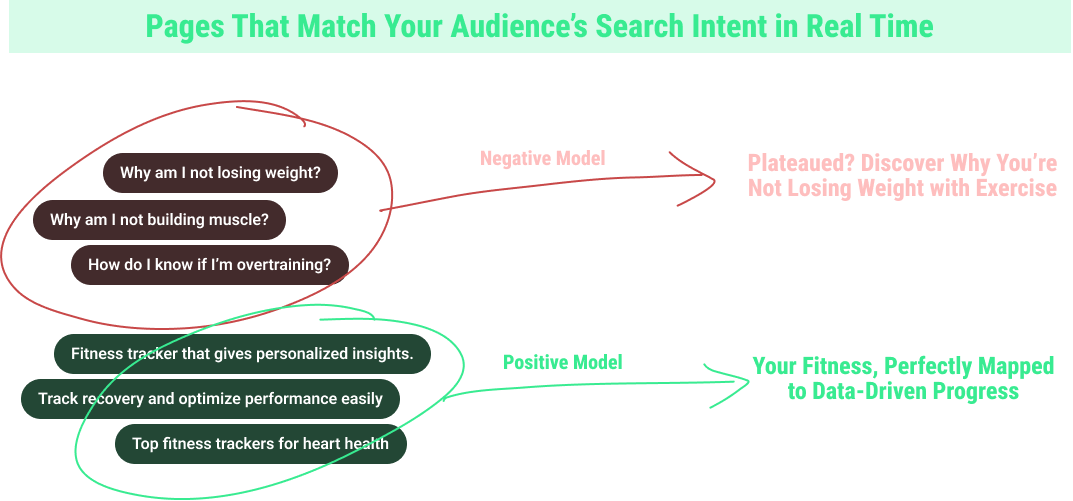
This isn’t guesswork or generic. By incorporating traffic insights and search intent into a meticulous, evidence-backed process, we align frameworks, visuals, and interactions to deliver measurable results. Together, these six steps—from framework selection to technical performance—transform your site into a conversion machine.
Frameworks: Building Pages That Tell a Story and Drive Action
Frameworks guide your audience to take action by organizing content into prescribed sections, informed by traffic insights and audience profiles to maximize impact and deliver results.
- Closes Sales Faster: Ensures your message lands exactly when and where it matters most.
- Proves What Converts: Built on data from millions of interactions to guarantee reliable, repeatable results.
- Eliminates Missed Opportunities: Fills every gap in your audience's decision-making process to drive action.
23 Proven Frameworks That Turn Visitors into Customers
Each framework addresses unique challenges, unlocking opportunities you might not even know exist. Example: Problem-based frameworks, like BAB (Before-After-Bridge), are especially powerful for opening new markets by educating audiences on overlooked causes or hidden risks tied to their needs.
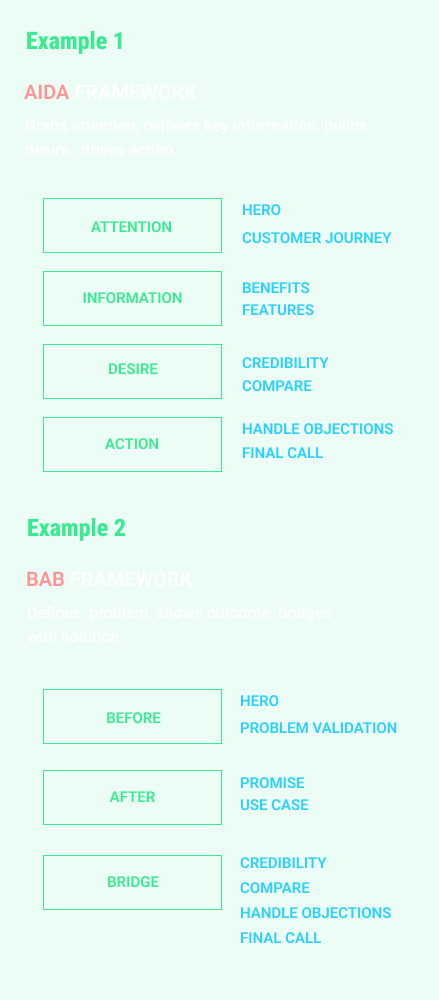
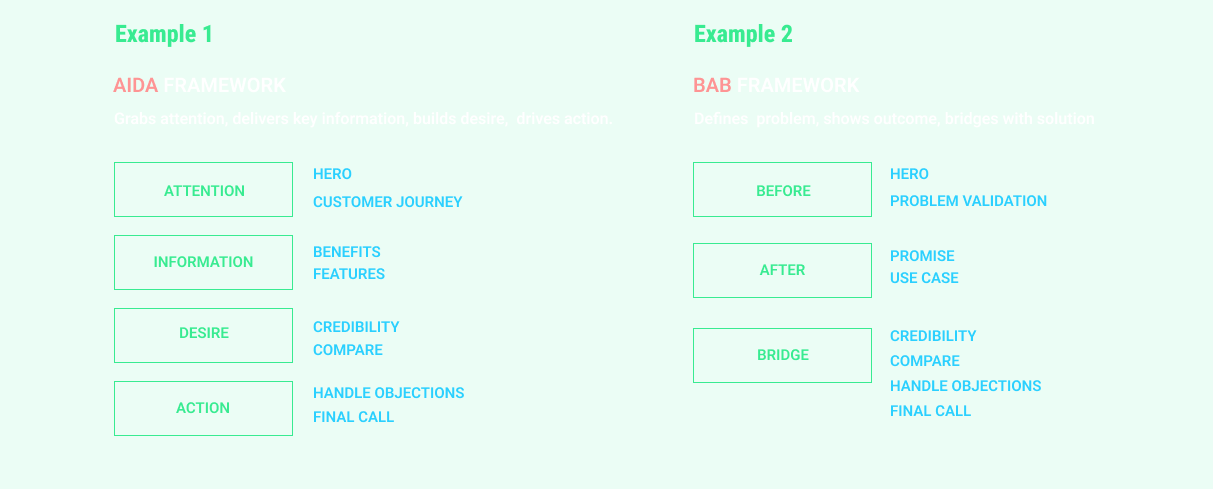
AIDA and BAB are just two of 23 frameworks we use—others, like StoryBrand, QUEST, STAR, etc., are tailored to fit different products, audience skepticism, emotions, and decision-making processes.
Filters: Every Word Drives Action, Builds Trust, and Boosts Results
Filters elevate every message within our frameworks, uncovering hidden motivators, driving decisions, and transforming language into action. These techniques are powered by complex AI models and proven psychological principles to ensure maximum conversion.
Persuasive Writing
Our persuasive writing filters transform flat content into compelling narratives that connect emotionally and inspire action.
Examples:
IMAGINE FILTER
Visualization techniques, like prompting users to “imagine,” can improve decision-making and commitment rates by up to 80%
(source: Psychology of Imagination by Taylor, 1995).
Before: “Track time across all your tasks with ease.”
After: “Imagine knowing exactly where your time goes—and freeing up hours every week to focus on what truly matters.”
LOSS AVERSION FILTER
Loss aversion techniques can increase conversion rates by up to 150%, as people prefer avoiding losses to achieving gains.
(source: Psychology of Imagination by Taylor, 1995).
Before: “Take advantage of our special discount today.”
After: “Every moment you wait, you’re leaving money on the table—lock in your savings before it’s gone.”
RELATABILITY FILTER
Using relatable stories or examples can increase engagement by up to 78% because people are more likely to act when they feel understood
(source: Harvard Business Review, 2017).
Before: “The best app to help manage household budgets”
After: “Finally, a budgeting app that understands what families really need—simple tools to make managing money stress-free.”
These are just 3 of 16 powerful filters, including scarcity, authority, and storytelling, designed to turn visitors into customers.
Advanced Experience Filters
These filters analyze the entire user journey, ensuring clarity, trust, and seamless engagement to eliminate friction and guide users to take action effortlessly.
Cognitive Load: Simplifies User Decisions to Drive Sales
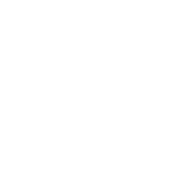
This filter evaluates the overall mental effort required to complete a task or process, assessing how complexity, redundancy, or lack of clarity affects user engagement. It identifies areas where users may feel overwhelmed, frustrated, or disengaged due to high cognitive load.
Perceived Effort vs. Value: Balances Effort and Reward to Keep Users Moving Forward

Assesses the balance between the perceived effort required to take action and the value presented as a reward. It ensures that users feel the effort is worth the outcome, focusing on reducing barriers and maximizing perceived benefits across forms, CTAs, navigation, layout, and messaging.
Momentum and Urgency: Encourages Progress and Prioritizes Action

Focus on maintaining a user’s engagement and driving them toward action. This filter evaluates whether the page keeps users progressing naturally and whether any sense of immediacy or priority is communicated effectively. It applies to all elements that contribute to pacing, progression, and action.
Action Reinforcement: Validates Actions and Builds Anticipation for Results

Ensures users feel acknowledged, understand the impact of their actions, and are guided toward logical next steps. It incorporates Anticipation Indicators, which provide subtle cues that keep users engaged and excited about upcoming benefits or outcomes.
Trust and Credibility: Reduces Skepticism and Builds Emotional Connection

Evaluates whether the page effectively builds user trust and eliminates skepticism through clear communication, professional design, strategic use of trust-building elements, and emotional engagement. It ensures users feel secure, confident, and emotionally connected, encouraging action.
Segment Testing Real Feedback From Real People, Fast
Segment testing puts your designs and messaging through the scrutiny of hundreds of real users, segmented by demographics, expertise, and preferences, to uncover surprising insights and refine for maximum impact.
What It Is:
A rapid testing process that uses tools like
five-second tests and head-to-head comparisons to
gather insights on design and messaging.
Why It’s Important:
This process reveals unexpected audience
reactions, helping refine elements that resonate most
and ensuring your content connects effectively across
segments.
Example Case Study:
For a New York Times bestselling author
endorsed by Oprah, segment testing revealed that
including a photo with Oprah was polarizing, leading
to a redesign that mentioned her credibility without
the photo. The result? A balanced message that
resonated better with all audiences.
Eye Tracking See What Your Users See
Eye tracking with heatmaps uncovers exactly where users focus their attention, revealing insights that no copy review or design critique could ever provide.
What It Is:
This layer of analysis ensures your critical
messages and elements are actually seen, revealing
areas users ignore—even if the content is perfect.
Why It’s Important:
By visualizing how users navigate the page, eye
tracking helps prioritize key information, optimize
design hierarchy, and ensure nothing gets missed.
Example Case Study:
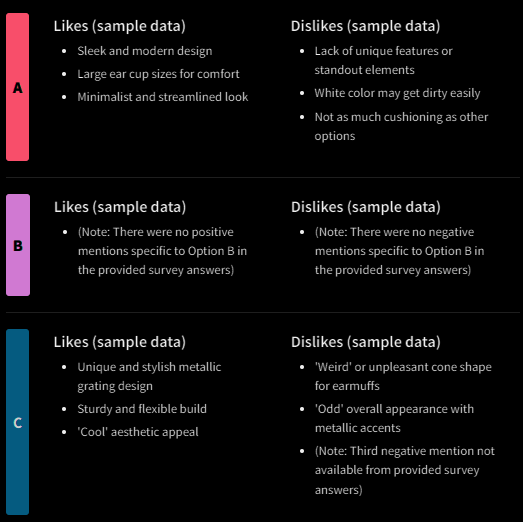
Eye tracking revealed that a critical
three-part customer transformation message on the page
was stalling, with users focusing disproportionately
on the second step. A heatmap showed that an image
featuring a person’s gaze was drawing attention away
from the first and third steps.
By
adjusting the images, increasing contrast for the
other steps, and testing iteratively, we achieved an
even distribution of attention across the entire
section. A result no designer or internal team could
have predicted intuitively.
A/B Testing Real-World Proof, Real-Time Results
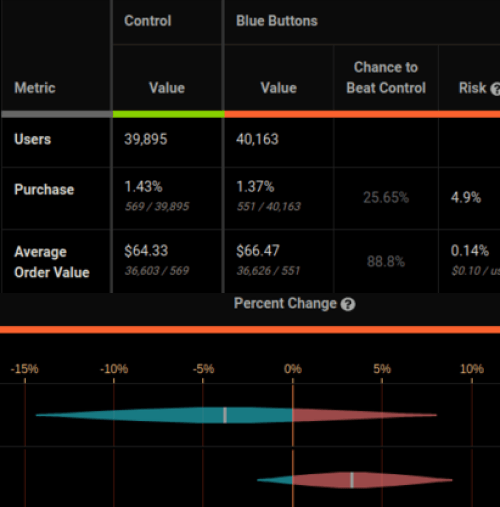
A/B testing removes guesswork, using real-world data to fine-tune your page and ensure every element works to maximize conversions.
What It Does:
By testing variations of your page with live
audiences, A/B testing uncovers what truly resonates
with your market, adapting to changing customer needs
and behaviors.
Why It’s Important:
Even the best design or intuition can’t predict
user behavior—A/B testing provides real-world insights
into where users click, scroll, or drop off, turning
your page into a conversion machine.
Example Case Study:
For a leading e-commerce platform, A/B testing
revealed that users were consistently skipping a
critical section above the fold. Heatmaps and scroll
maps pinpointed the issue: a lack of visual hierarchy.
After adjustments and retesting, engagement with the
section increased by 62%, driving a measurable lift in
conversions.
Technical Performance Perfecting Speed, Accessibility, and Compatibility
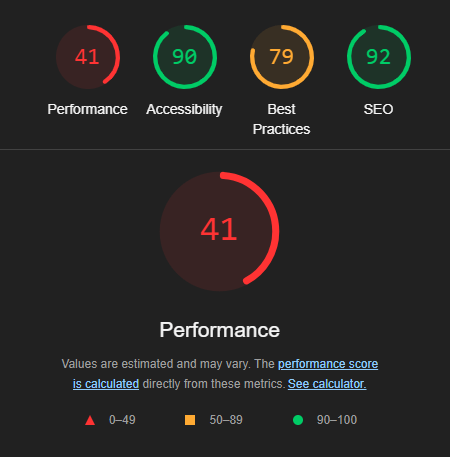
A website’s performance is more than just speed—technical audits ensure your site runs flawlessly across devices, browsers, and audiences, leaving no user behind.
What It Does:
We audit your site for speed, accessibility,
and cross-platform compatibility, identifying
invisible issues that cost traffic, conversions, and
accessibility for key segments.
Why It’s Important:
- Mobile traffic losses: Sites with poor metrics risk losing over half their mobile visitors, according to Google predictions.
- Hidden segments: Invisible markets, like those relying on screen readers or older devices, often remain untapped without proper accessibility.
- Cross-browser/device consistency: Ensures flawless performance across all operating systems, screen sizes, and connection speeds.
A Process Built for Results, Proven by Experience
Every element of this six-step process is designed to deliver measurable outcomes by combining proven frameworks, audience insights, and data-driven refinement. It’s a method that doesn’t just create pages—it creates results.
Find Out What’s Holding Your Website Back
You can’t fix what you don’t know. See where your site is losing conversions and discover exactly how to improve it.
What You Get:
- A detailed breakdown generated of what’s working—and what’s not..
- Clear, actionable steps to drive more leads and sales.
Have questions or need more info? Contact Gregory Thomas at gregory@redwerks.org — replies within one business day, PST (Mon-Fri, 8:30 am - 5:30 pm).